Testing out the Sony A7V
I’ve had the Sony A7III for over 7 years. Almost every image on this website was taken with that camera. It has been an absolute workhorse for landscape photography, but it definitely struggles with bird photography. Obviously I’ve taken dozens of bird photos that I’m very proud of, but I usually feel like I’m fighting the camera to get what I want.
There have been plenty of advances in camera technology over the last 7 years, but it’s only been in the last couple that we’ve seen big leaps in wildlife-centric autofocus. Specifically, many new cameras have dedicated processors for bird and animal identification that will find the animal’s eye and lock focus on it. This helps both for birds flying in front of busy backgrounds as well as stationary birds in heavy brush, two things my A7III doesn’t do well.
I’ve been waiting for an excuse (and a cheaper price) to get one of these cameras. I have a trip planned next month that will hopefully be bird-photography focused, so I pulled the trigger on the Sony A7V, an affordable new model that still includes most of Sony’s new technology.
I’ve only taken it out for a couple short sessions, mostly to dial in the settings, but I thought I’d share some of the test images and show why I think it absolutely rips.
Besides the better autofocus, here’s a few other features that made the A7V attractive:
30 frames-per-second maximum burst rate (A7III maxed out at 10 FPS), super important for birds in action.
Fully articulating screen (A7III just tilted fully up and slightly down), not important for birds but great for unusual landscape compositions and macro.
Locking exposure dial (Many times, I pulled my A7III out of my bag, caught the exposure dial on something, and didn’t notice until I had already started shooting).
Pre-capture! You can set the camera to keep images in a buffer when you start focusing but before you press the shutter. So if you press the shutter too late to capture something cool, you might still get it in the pre-capture images.
33 megapixels (A7III was 24 MP), which is a nice upgrade without being so big that my aging M1 Macbook Air will struggle to load them.
All these images were captured with the Sony 400-800 lens.
Mississippi Gateway Regional Park
This is a spot where the river is dammed, so there’s a deep section and much shallower section, which both draw a variety of birds. It’s also usually super busy with people so I don’t tend to go there, but I figured there’d at least be some gulls to test on.
The first birds I saw were two Osprey fishing over the deep part of the river. They hovered a few times and I’d have been insanely lucky to get one diving on my first time out with the camera, but I settled for a flyby from one of them. Immediately, the camera locked on and stayed locked on. I’ll put this stat right up front: In one hour at this park, I took 550 images (30 frames-per-second burst rate is no joke!) and probably 1% of them were not in focus. It’s insane.
This image doesn’t have great color because I didn’t have the exposure correct, but it’s still amazing that the camera grabbed and held focus so well.
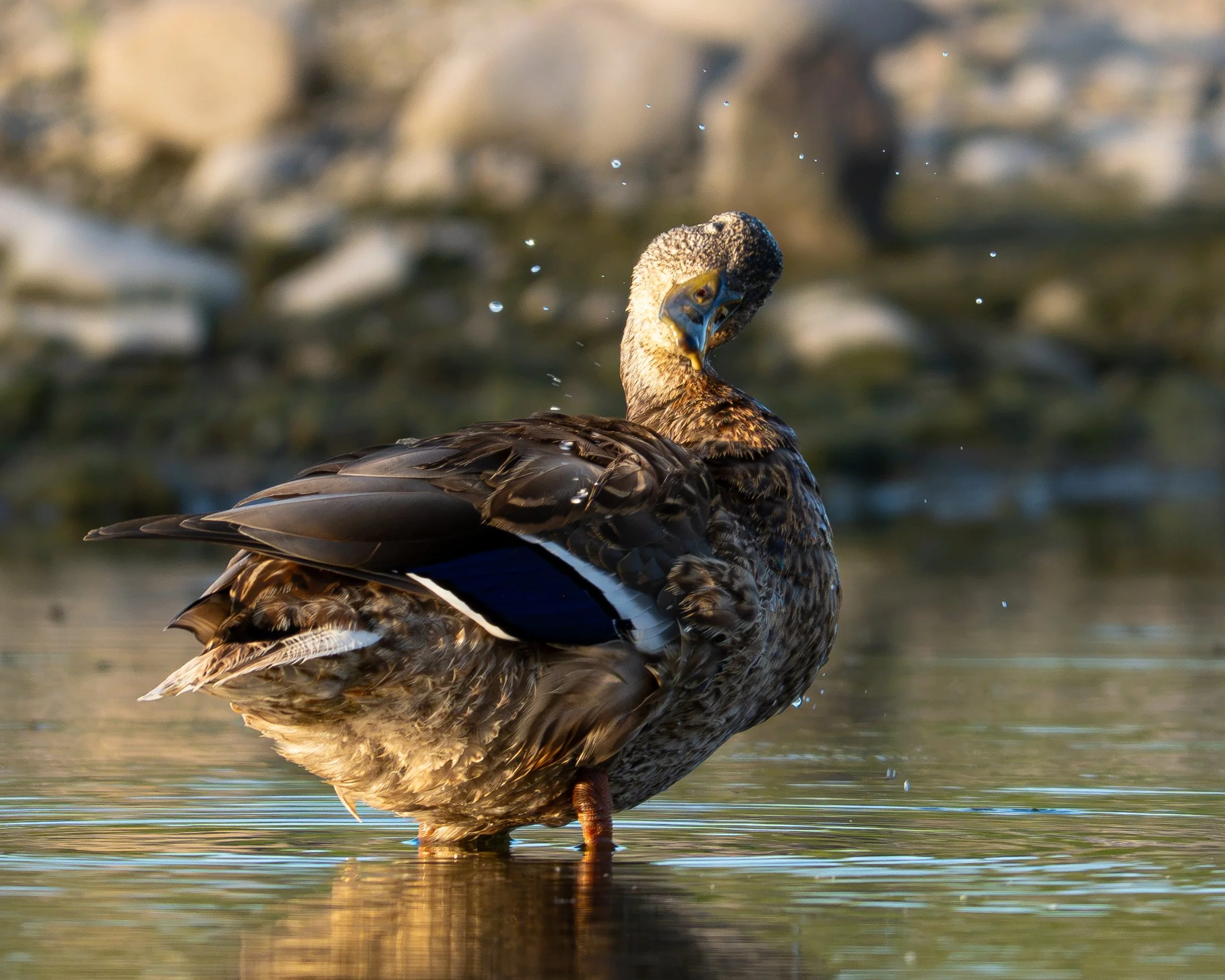
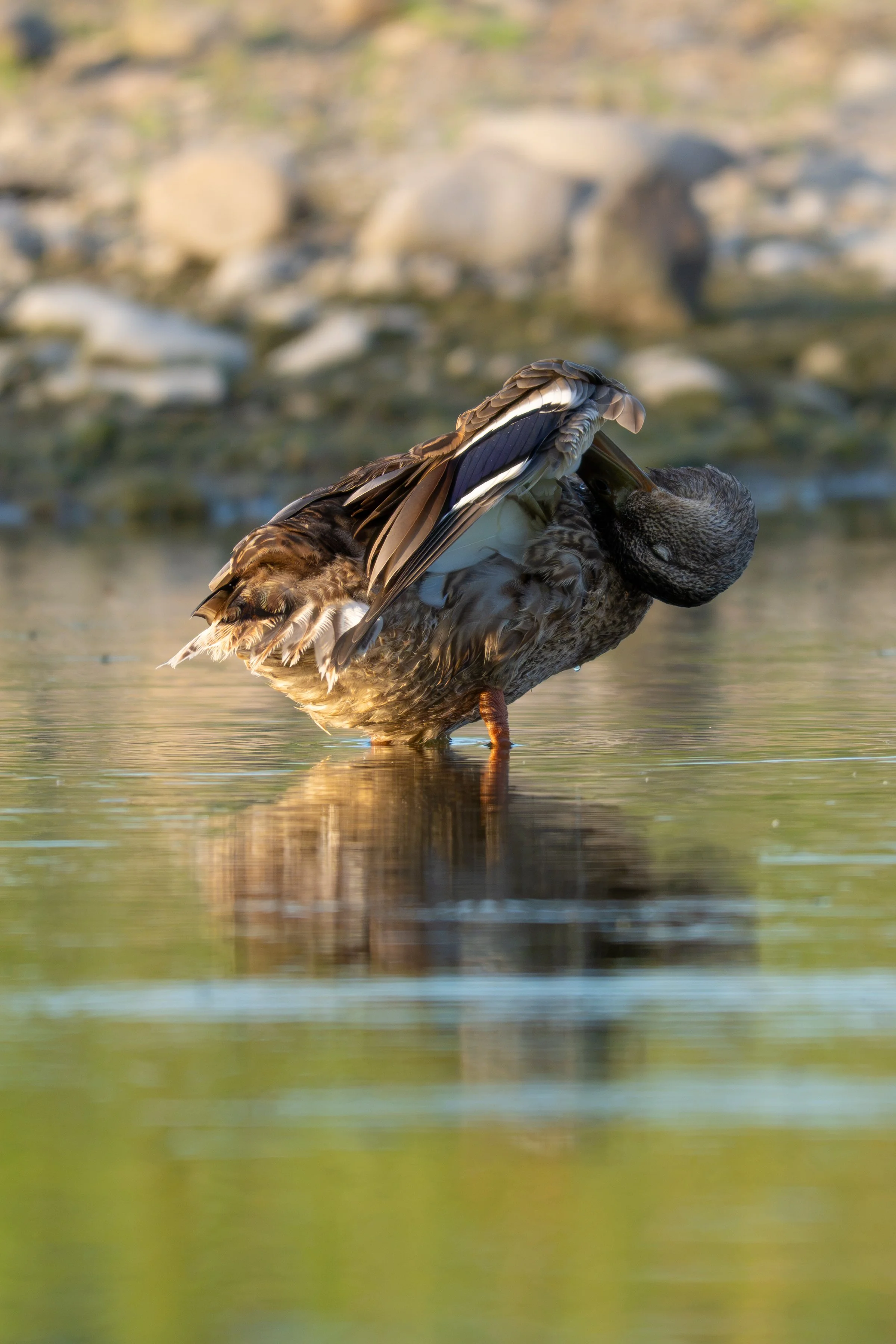
Next I saw this young Mallard grooming and while my old camera probably would have captured him just fine, I do appreciate that the high burst rate captured the halo of water drops in the first image, and grabbed focus on the half-closed eye in the second image.
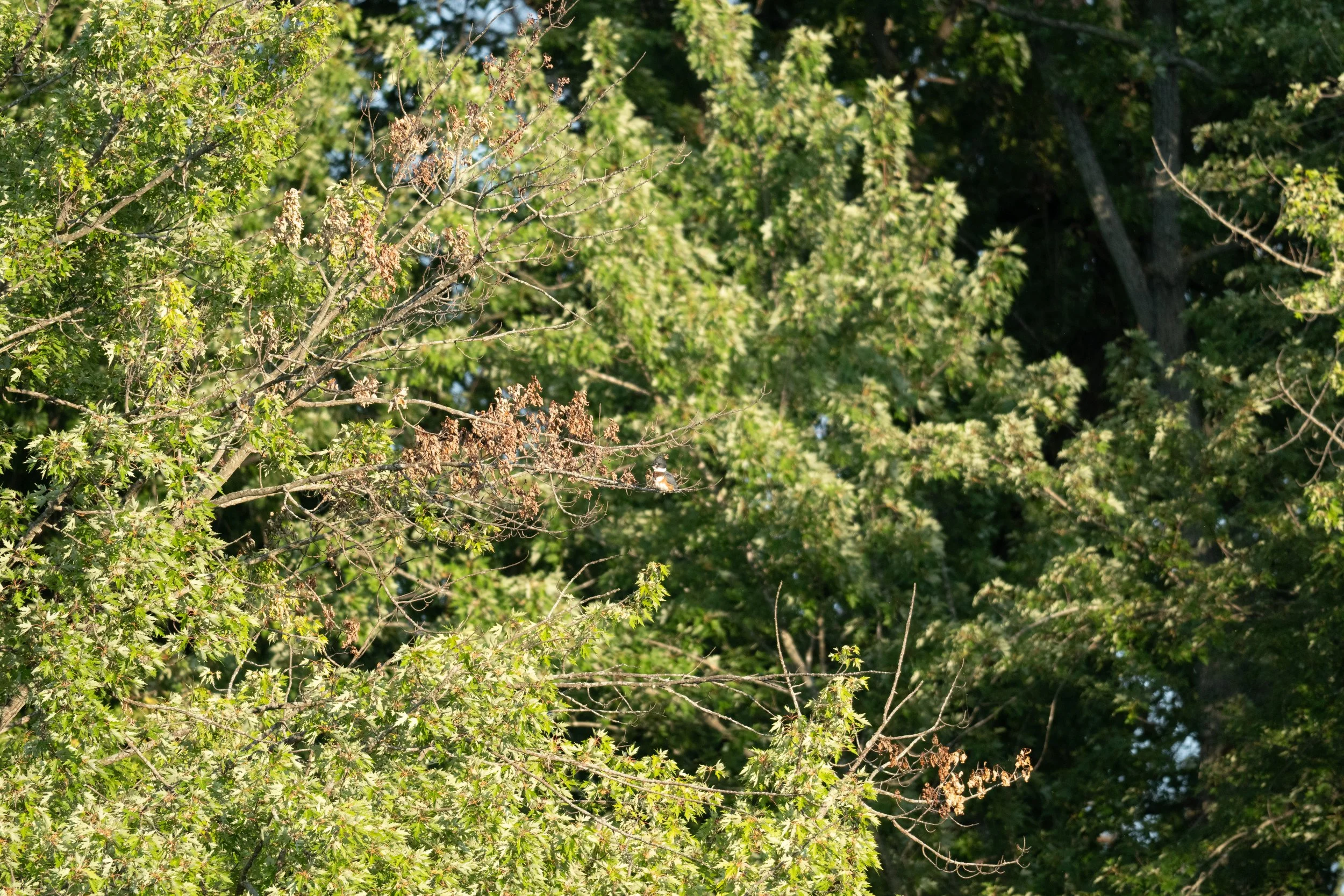
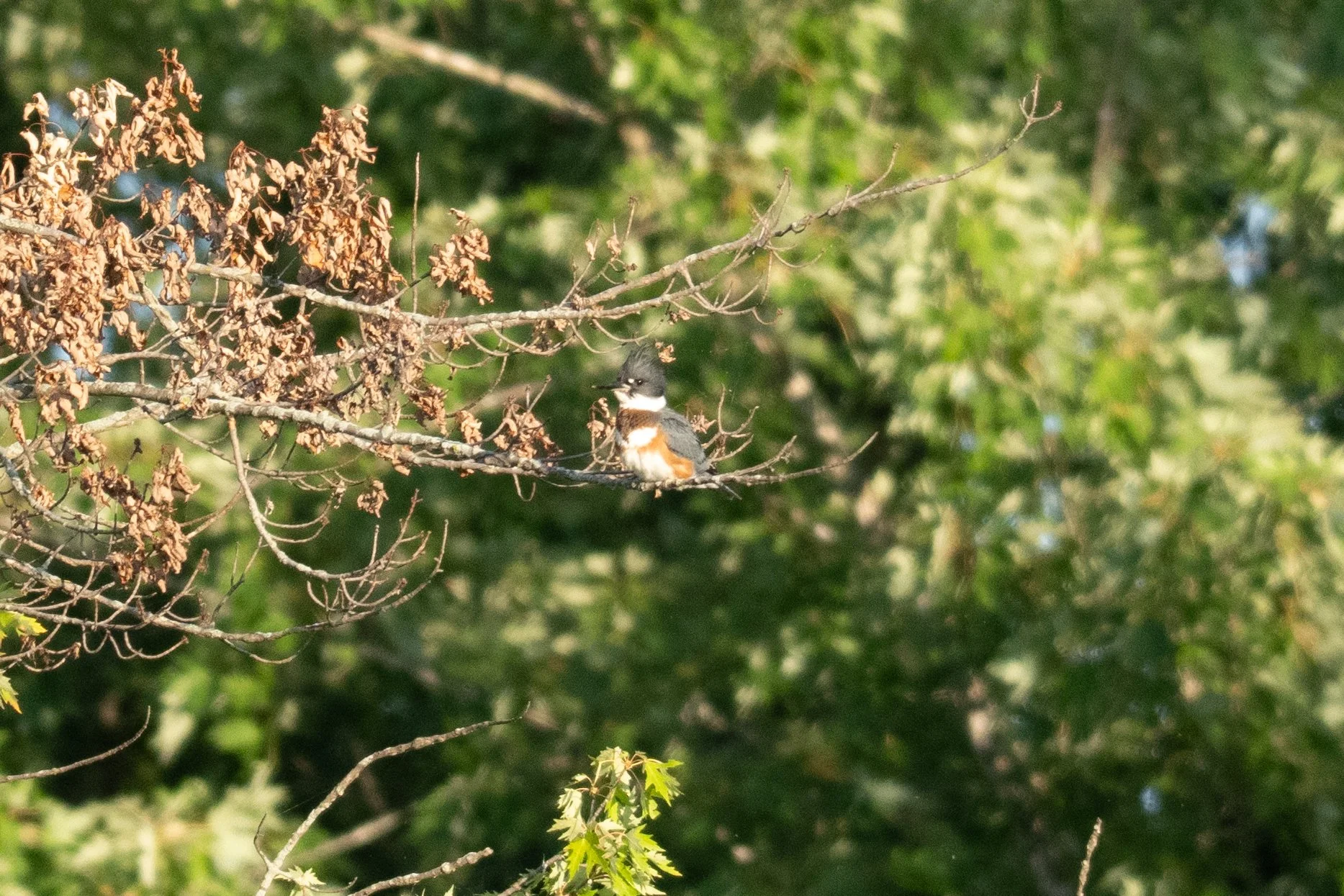
These images (a full crop and a zoom of the same image) are just a demo of the autofocus, the Kingfisher was too far away for it to grab its eye, but it still generally recognized a bird in this mess of branches and held focus pretty well.
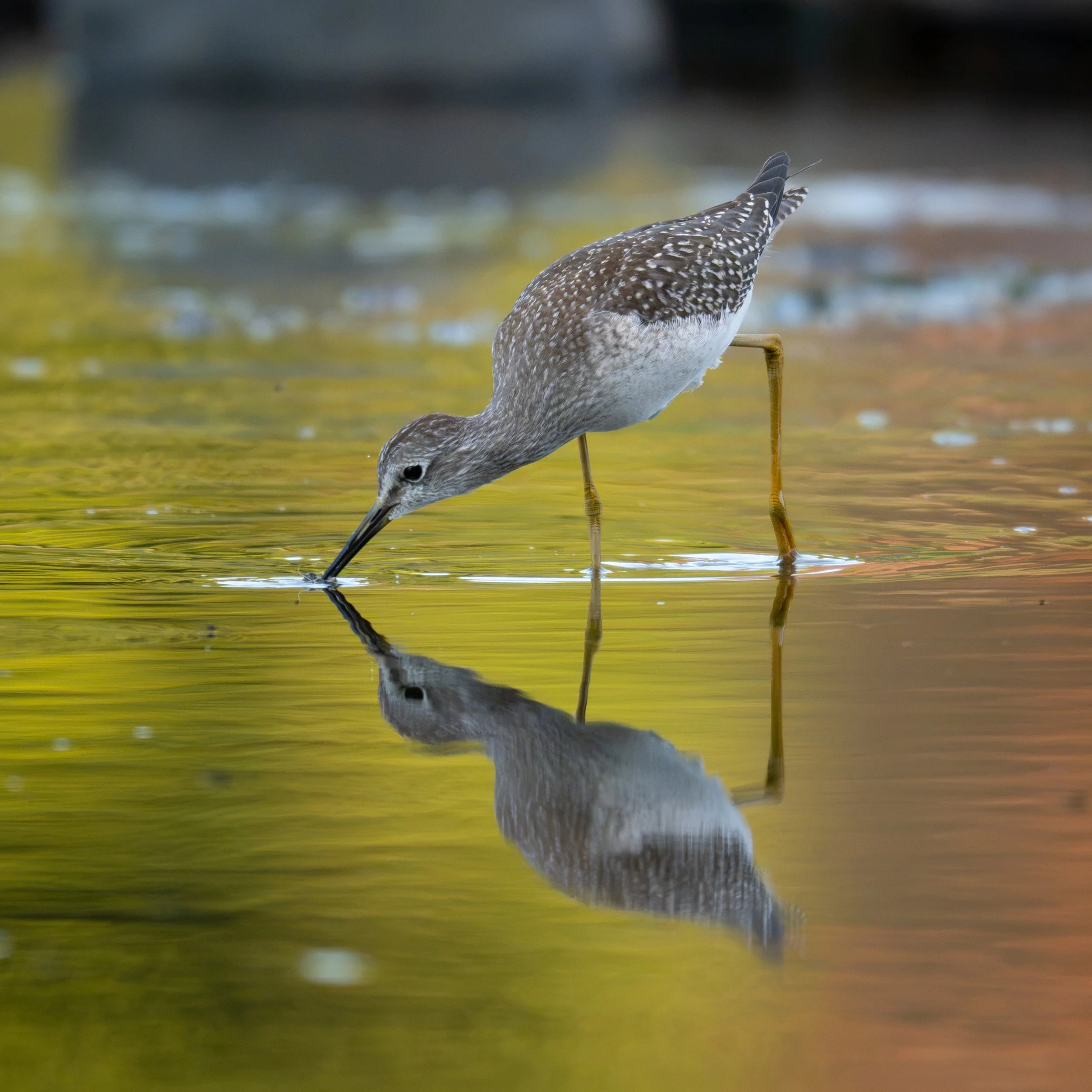
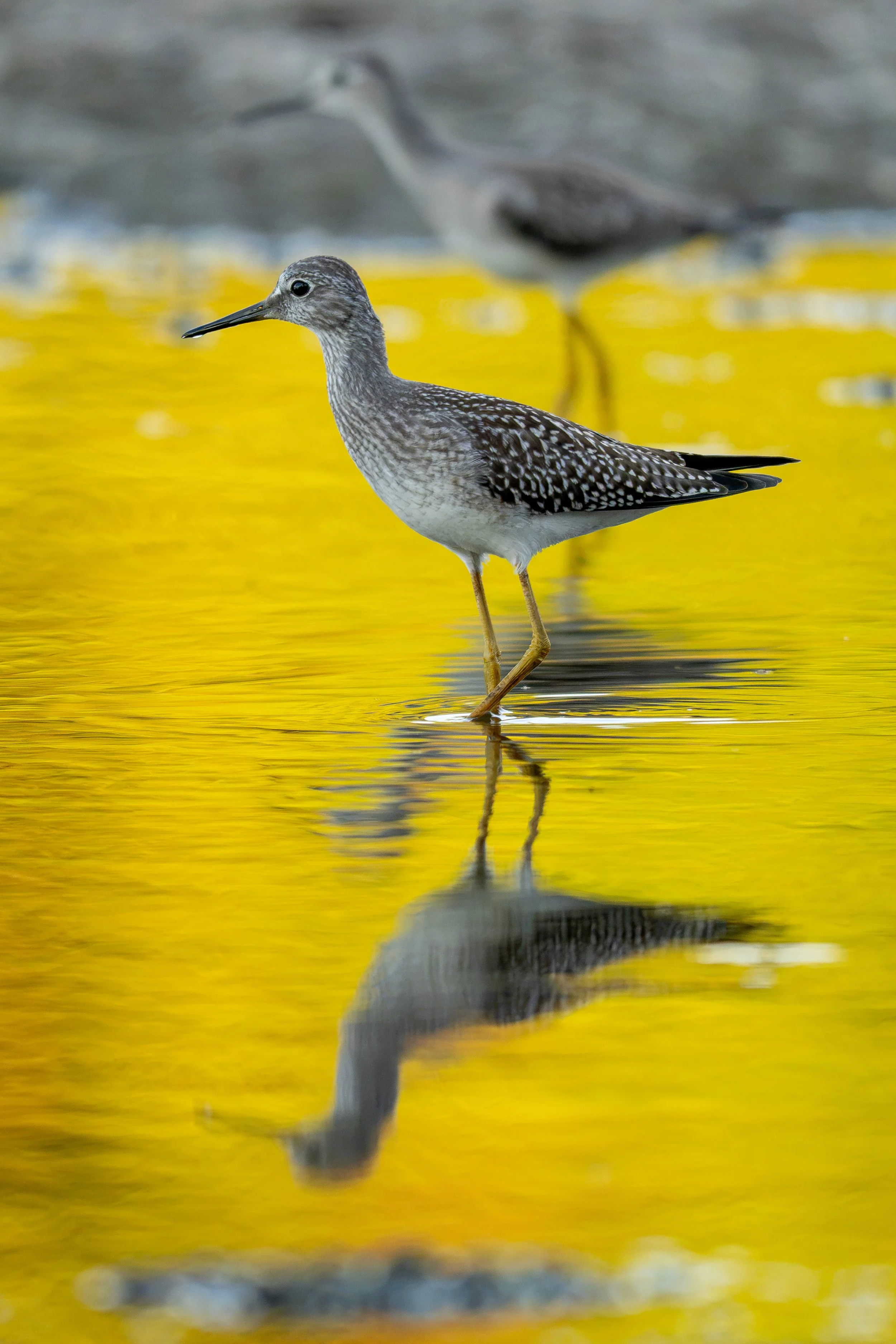
Lesser Yellowlegs
These guys were a treat to watch, and I learned something exciting. Having a camera that automatically locks onto the bird’s eye means that I can lock focus and then recompose the image however I want. I’m used to composing the image and then having to move the focal point around manually to the bird (which could be itself moving), which is a lot of things to keep track of. This new technique is way easier and opens up more composition options.
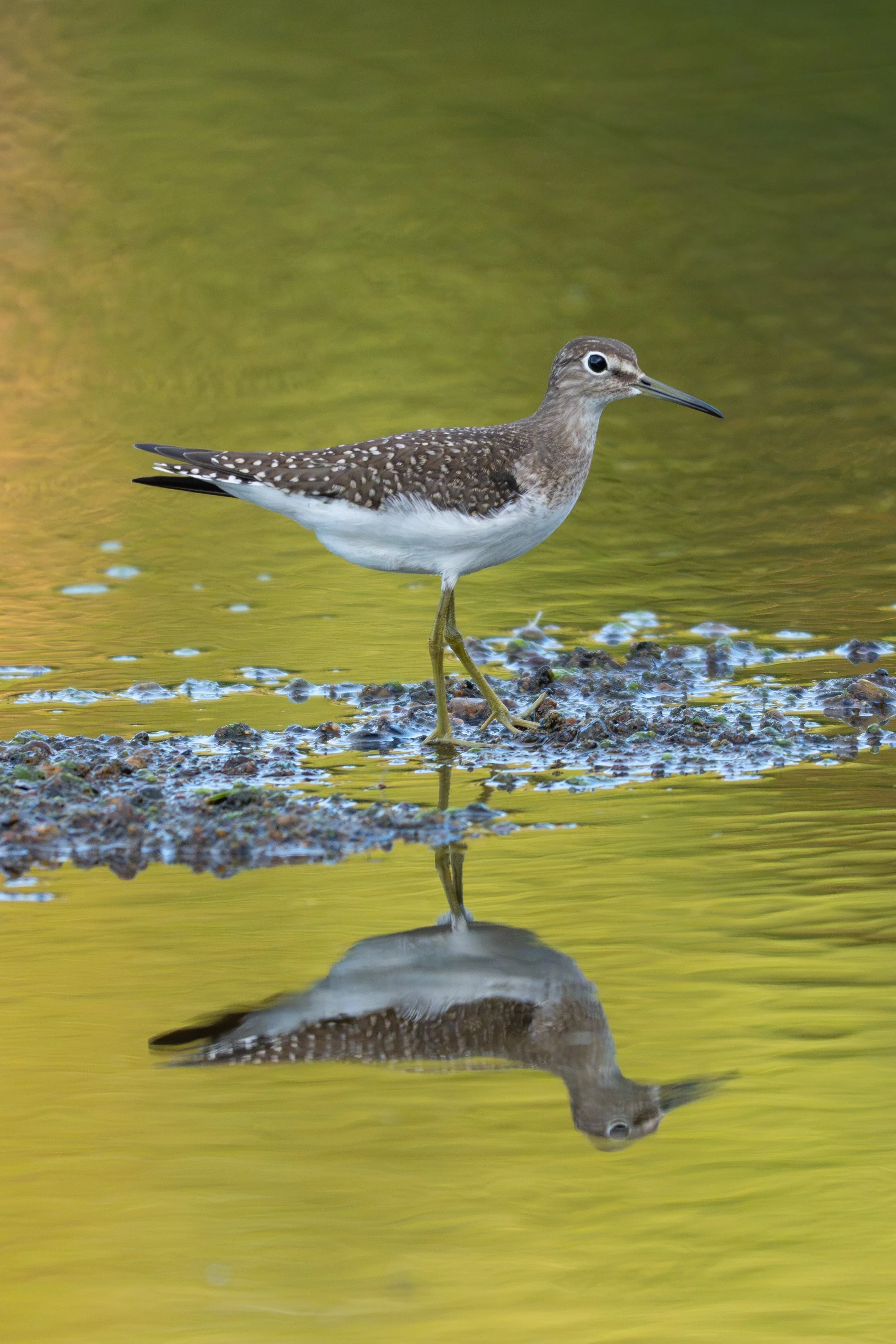
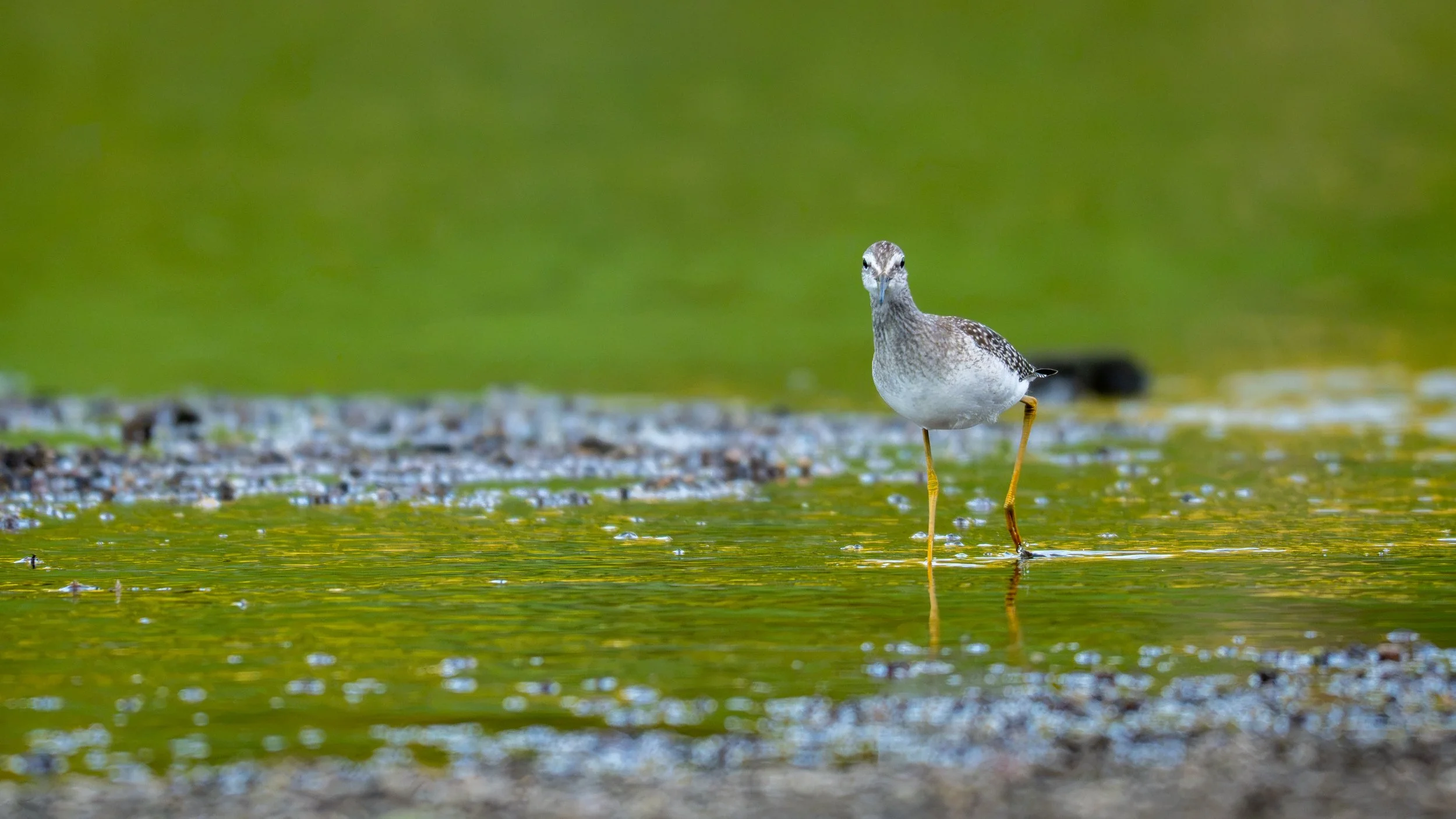
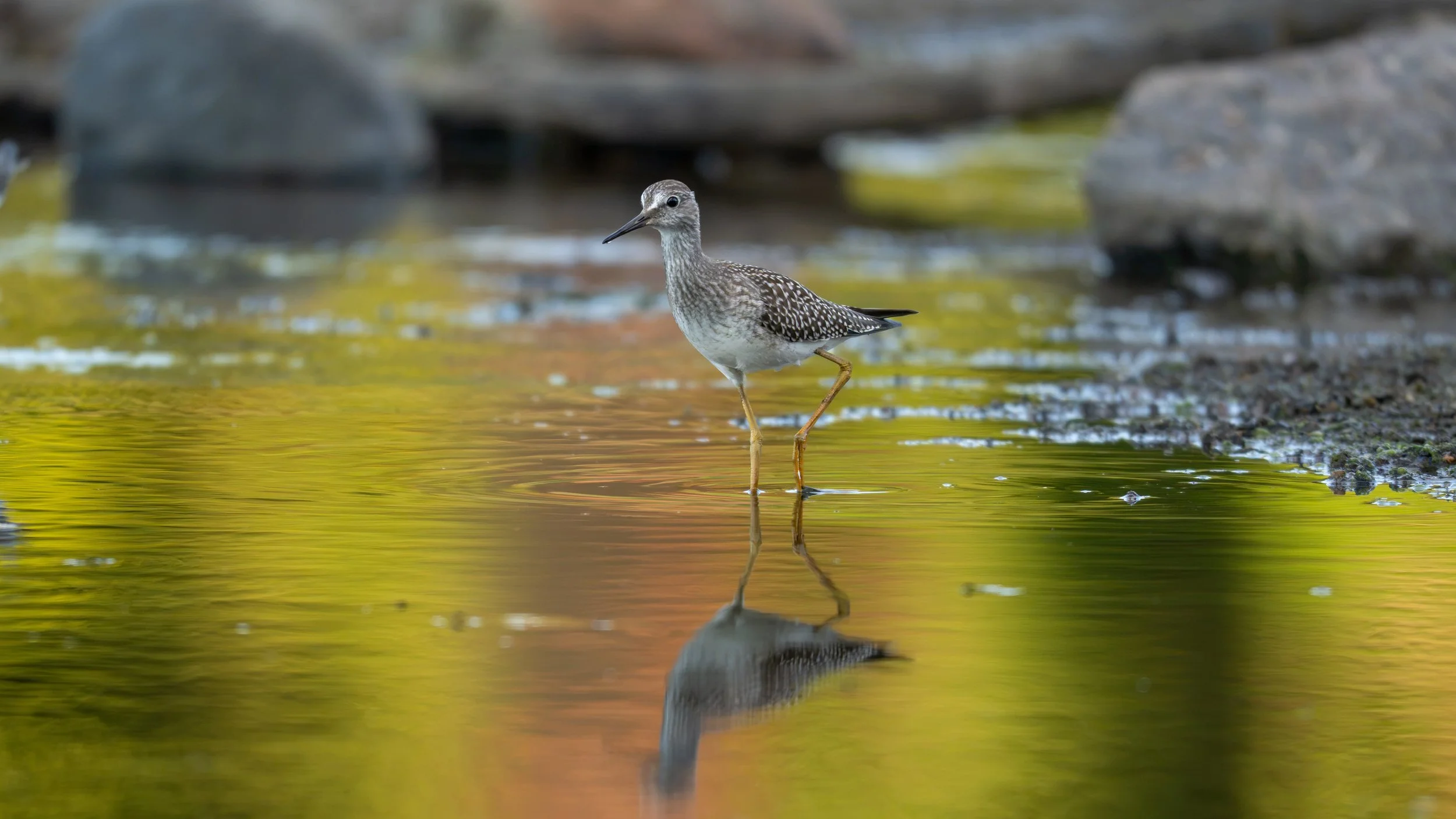
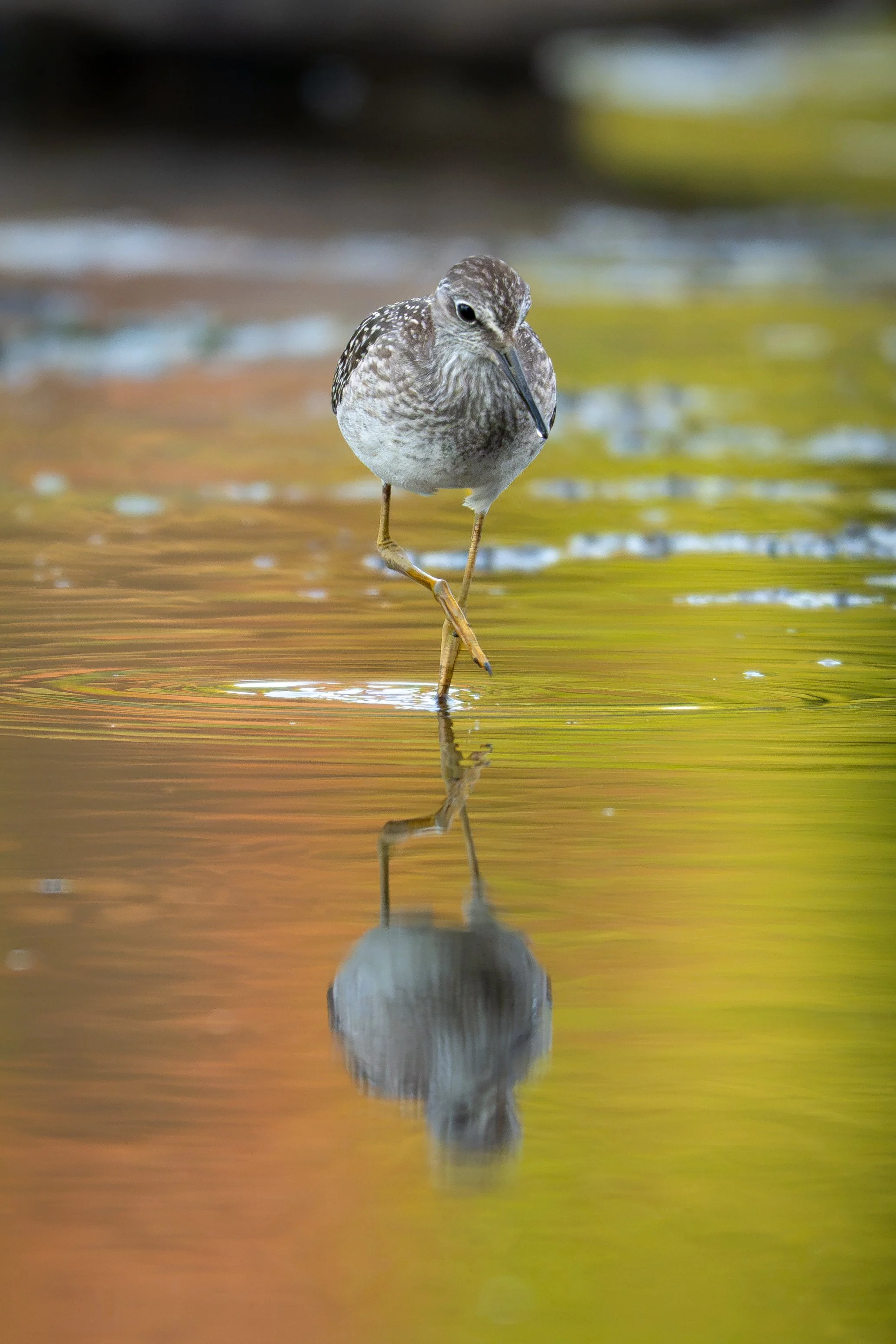
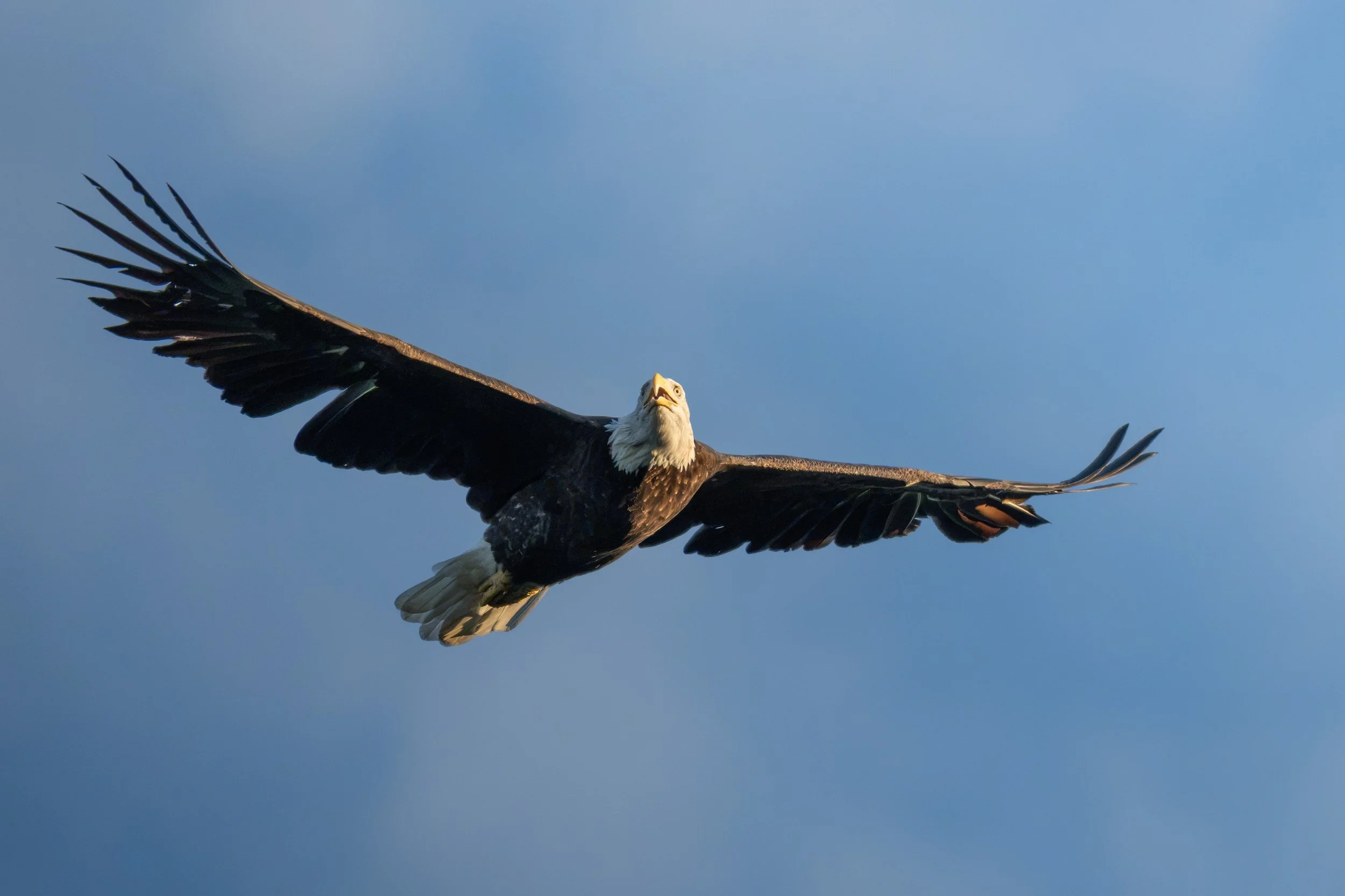
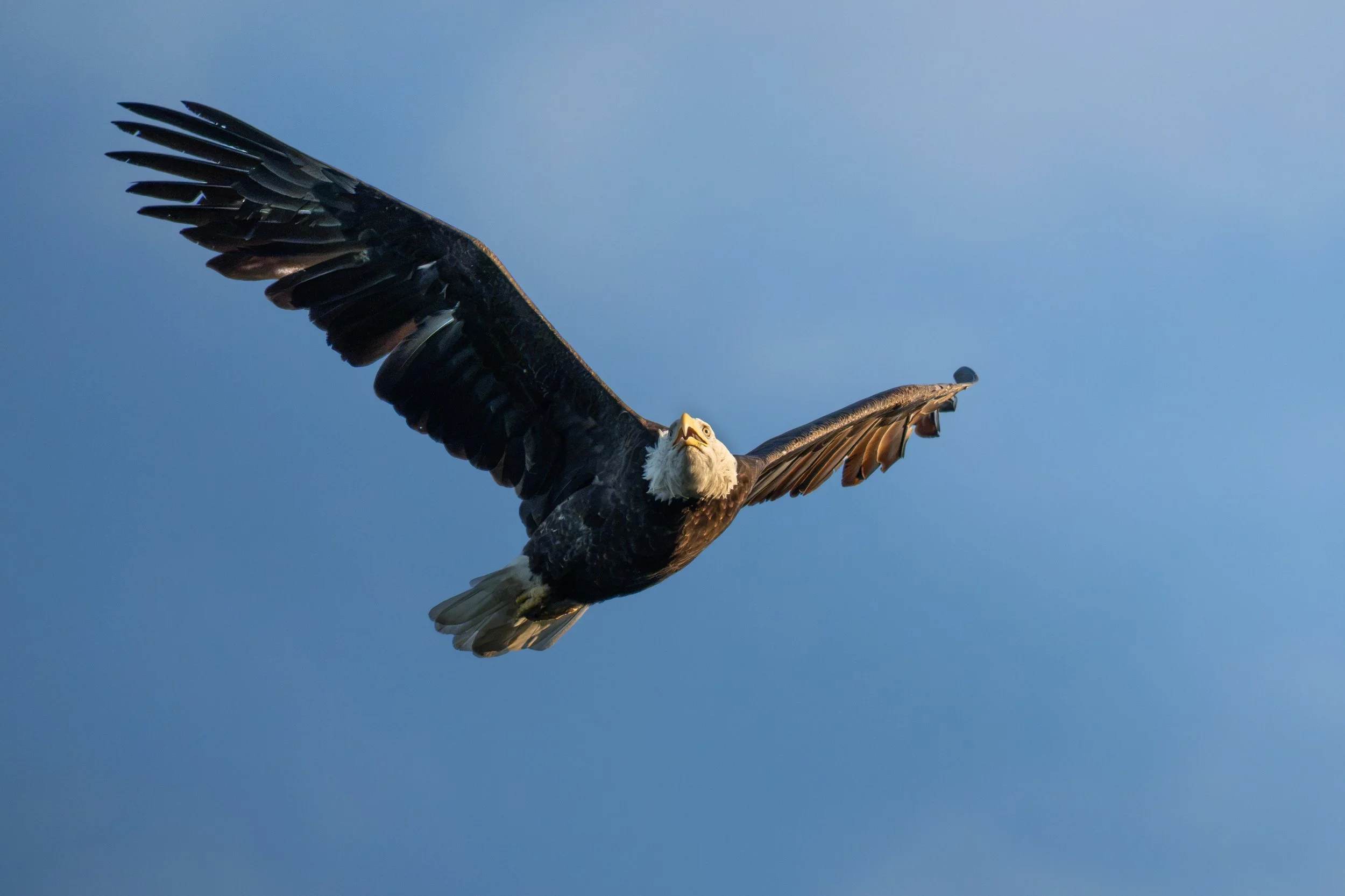
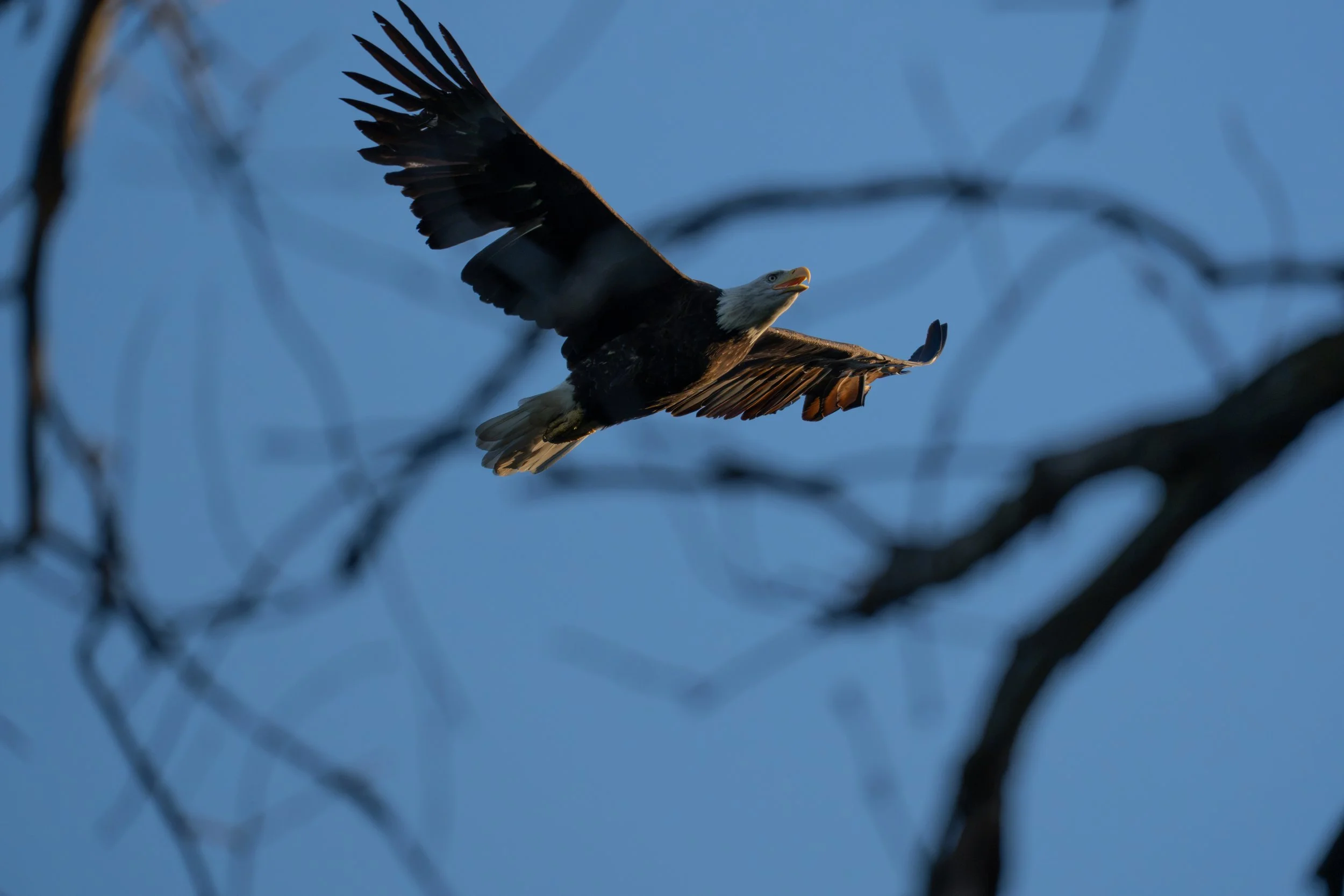
Lastly from this outing, I saw this Bald Eagle cruising up the river, and I’ll spare you all 150 images that I took of its flight, but suffice to say they were all tack sharp.
Carlos Avery State Wildlife Management Area
I’ve been to this preserve a couple times, but this time I definitely arrived too late in the morning. The sun was fully out and the heat waves coming off the ponds made long distance photography mostly useless. Still, I was able to dial in my settings some more and get an understanding of the limitations of the camera.
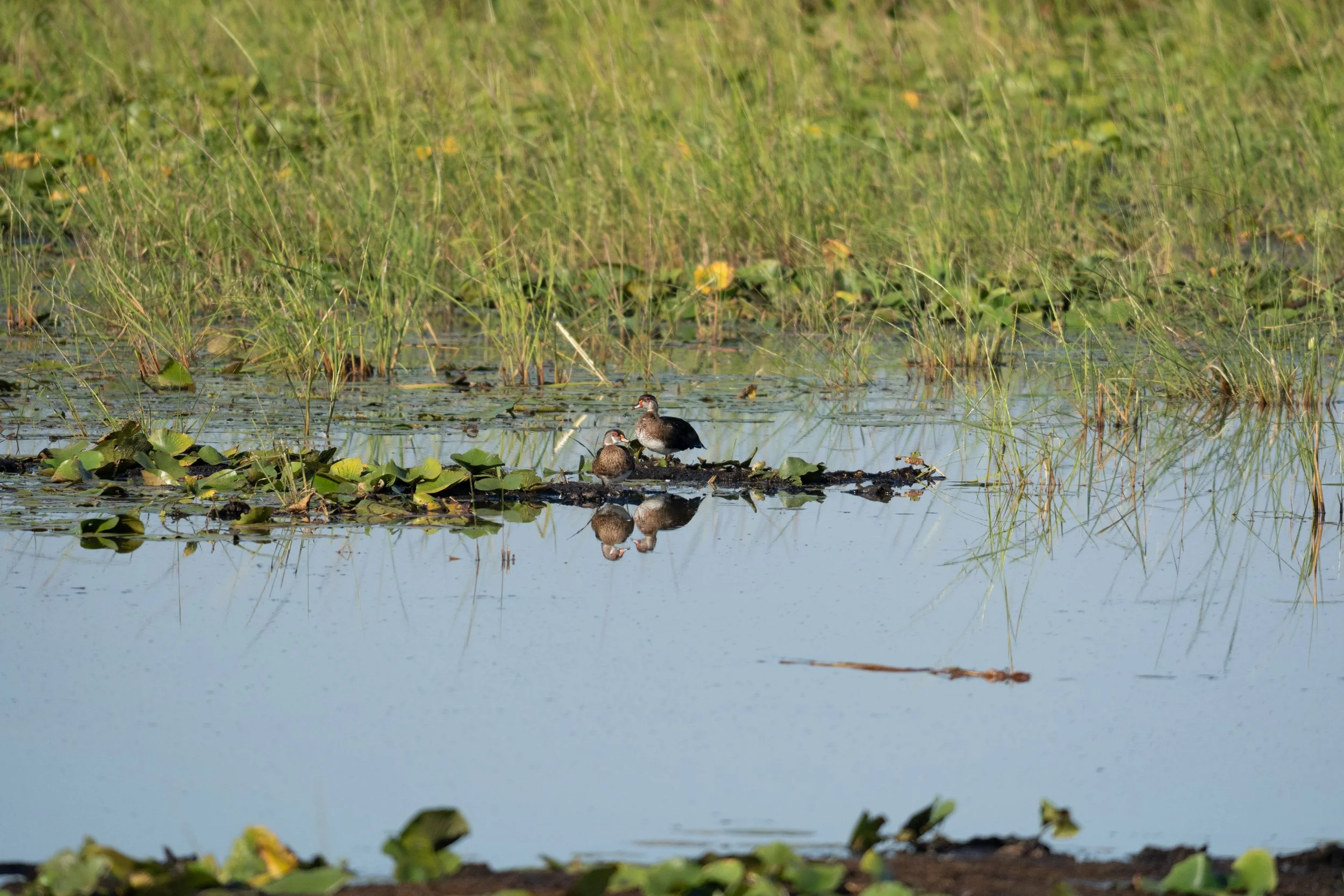
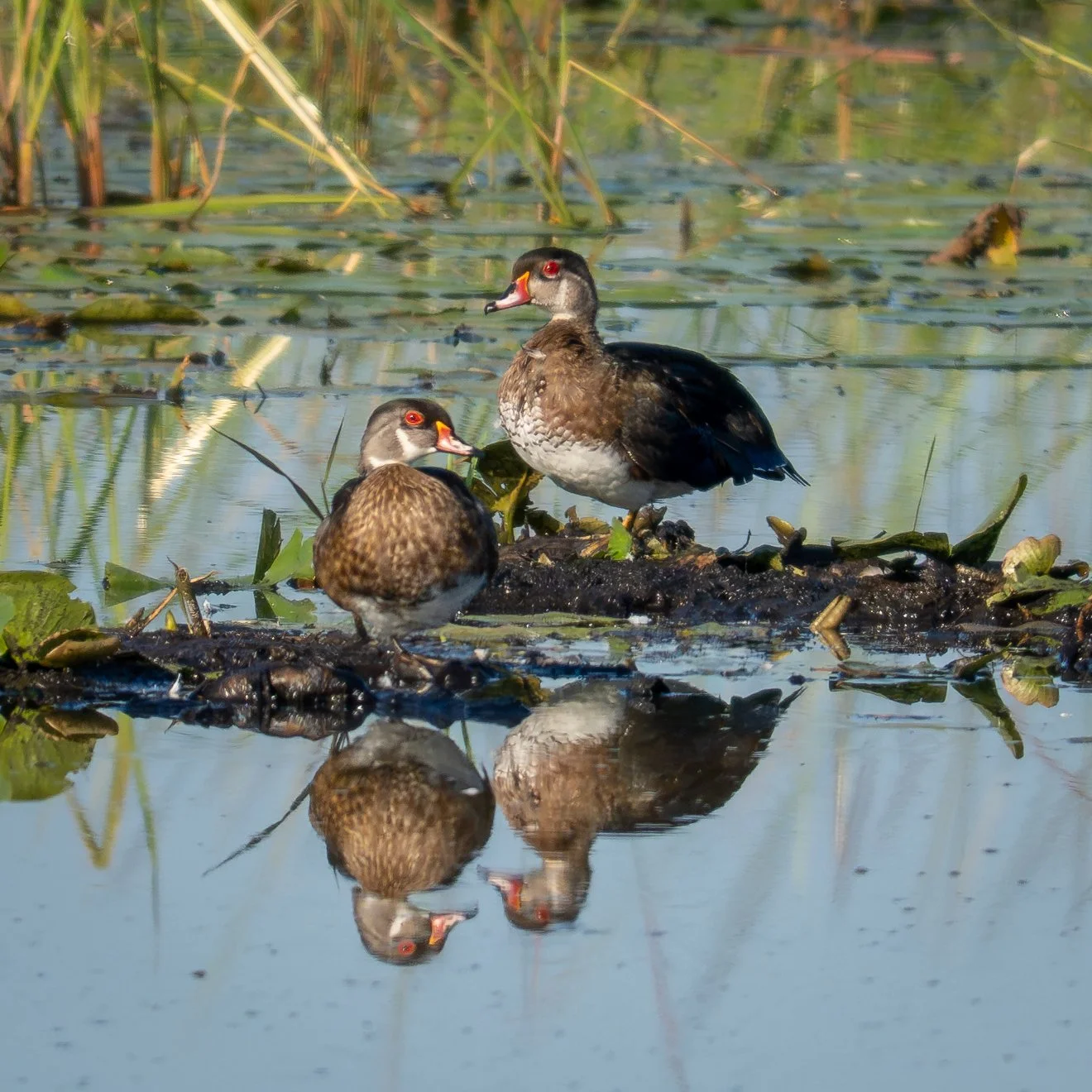
You can see the heat distortion in the tighter crop of this image, but it surprisingly processed pretty sharp.
These are called eclipse male Wood Ducks, they’re past their brighter mating plumage and just hanging out with the homies.
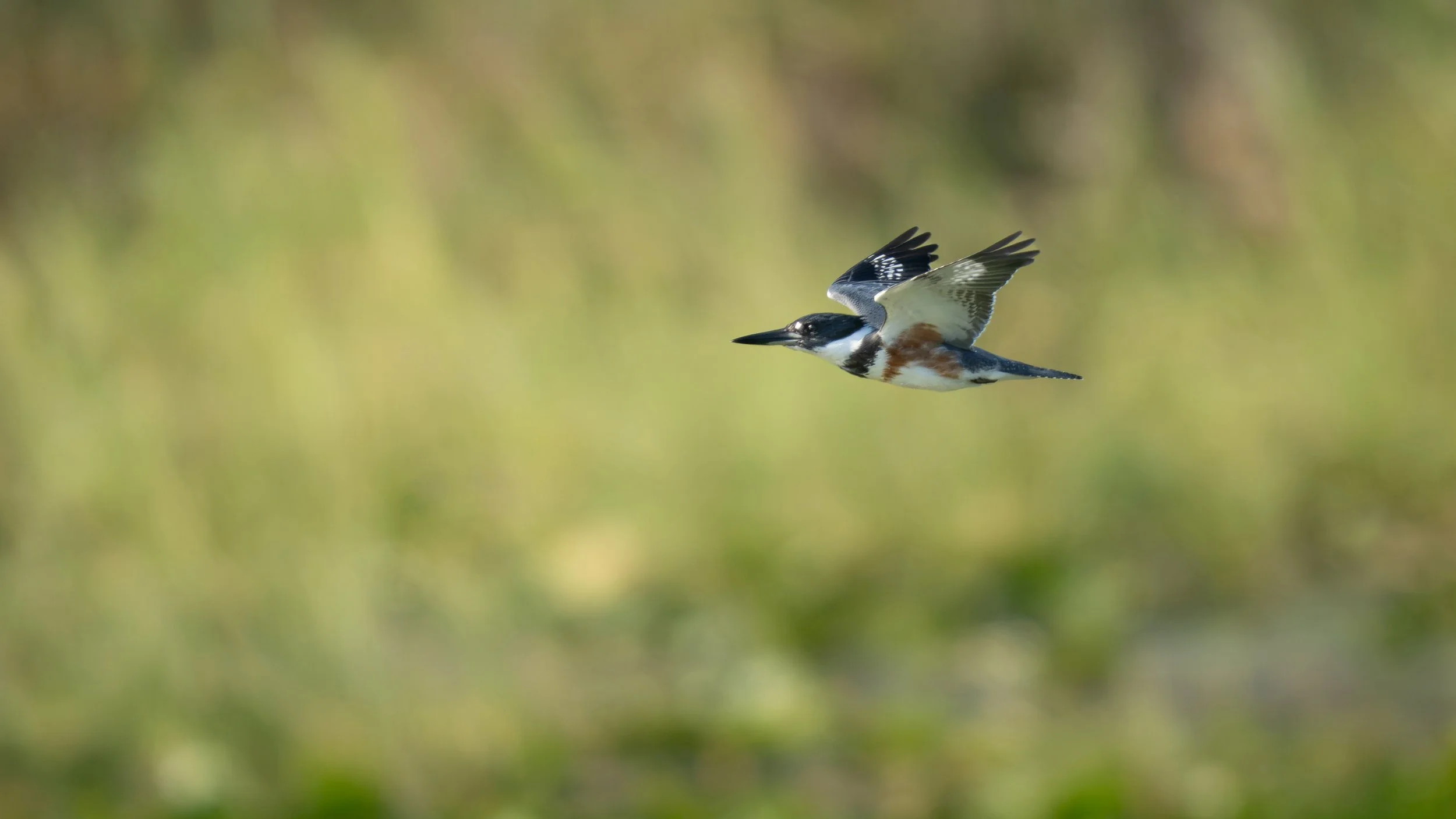
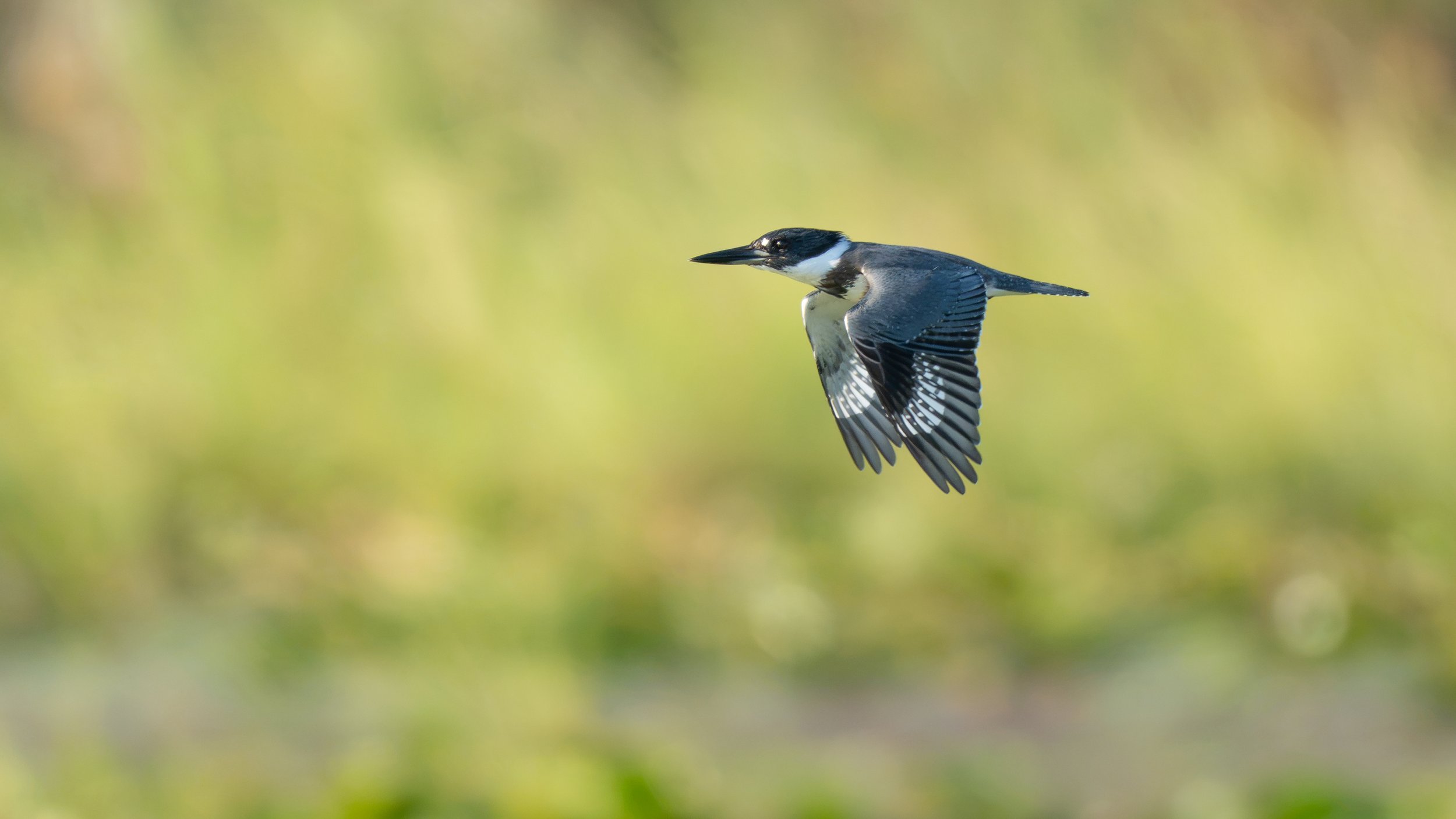
More heat distortion in these images of a Belted Kingfisher keep them from being tack sharp, but it came out of nowhere and I still managed to get it in frame and focused sharp on the fly. So, not great photos, but a great technical test. The A7III would have missed this completely.
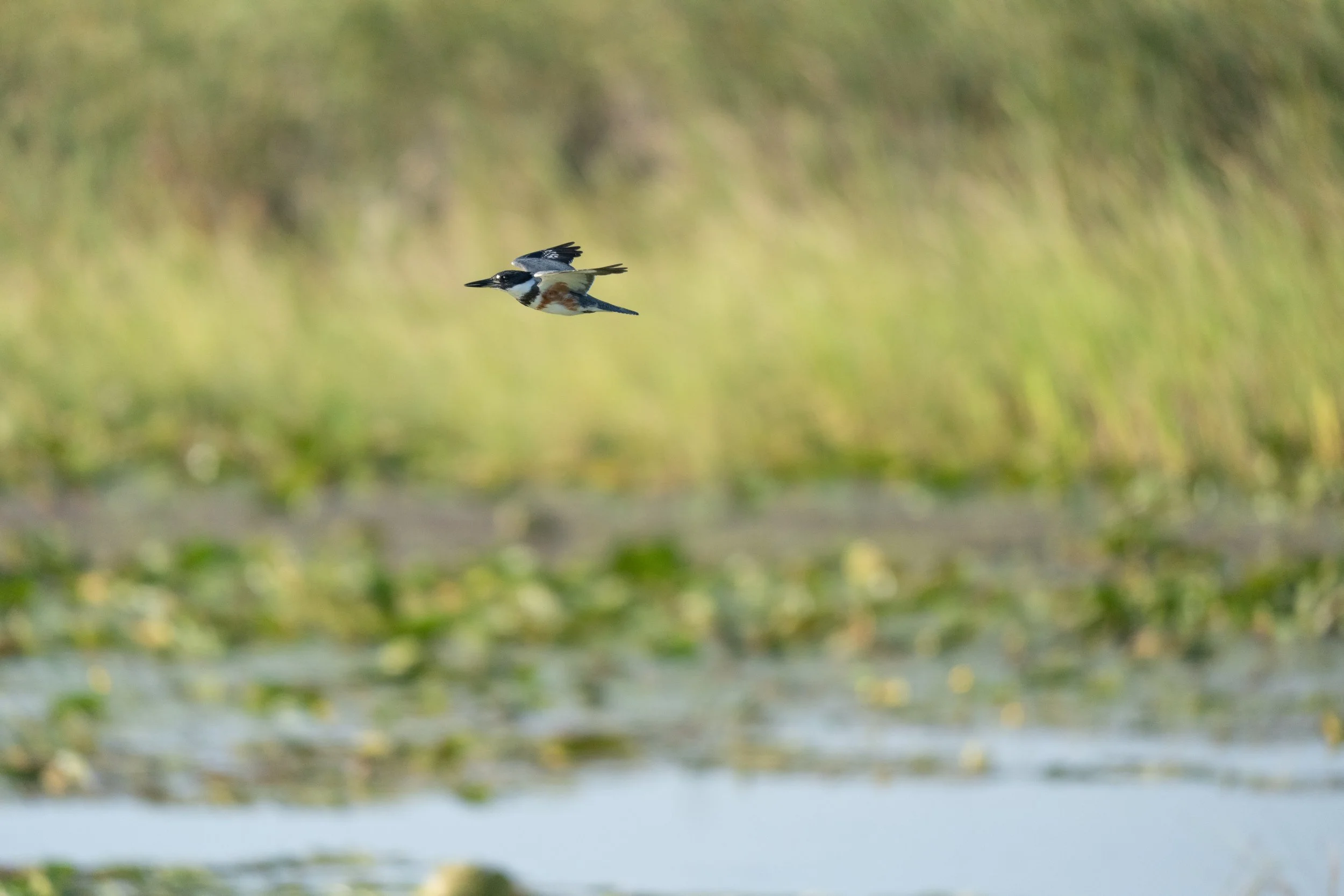
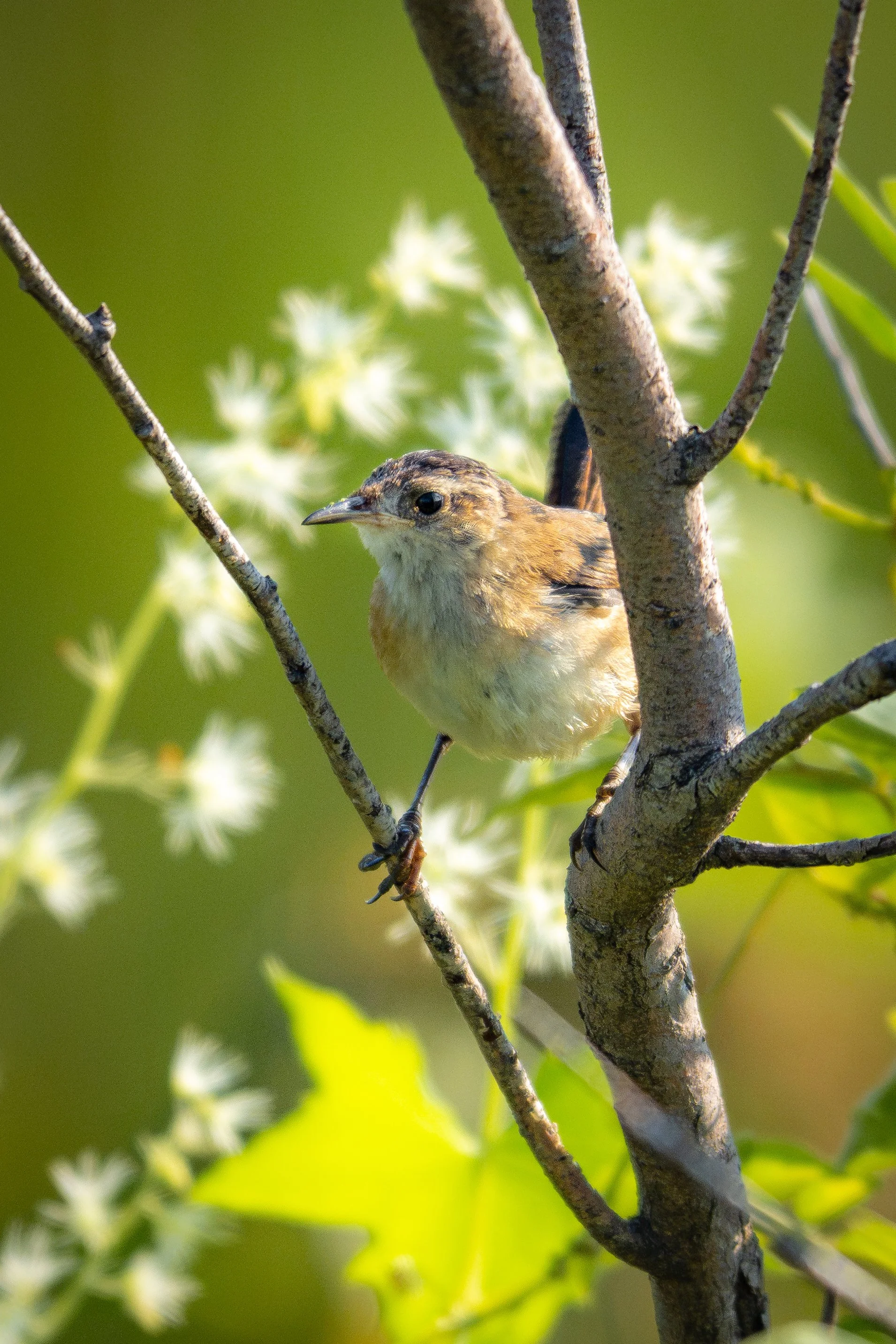
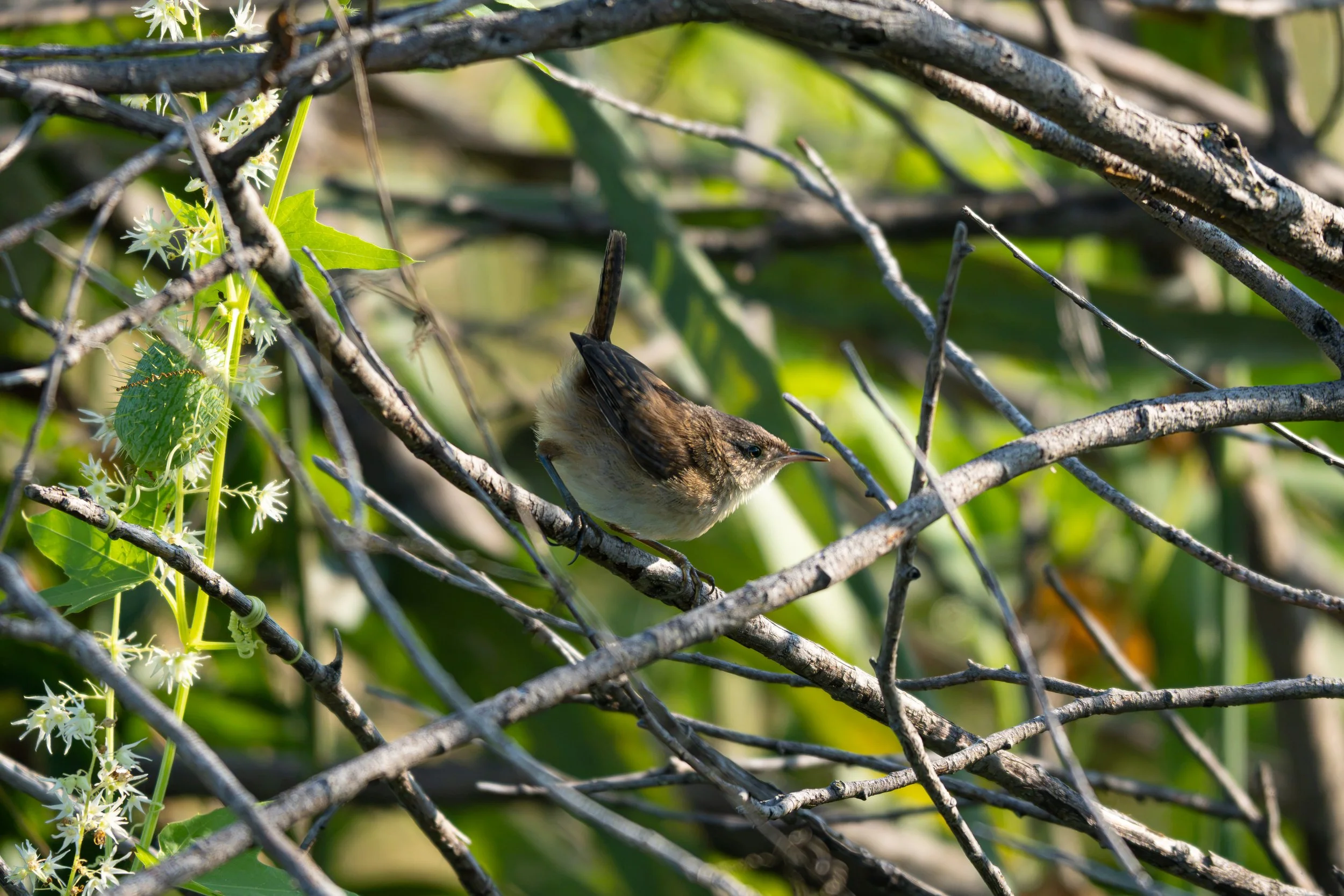
Both of these show a capability that I really hoped to have, which is eye-focus in busy and cluttered environments.
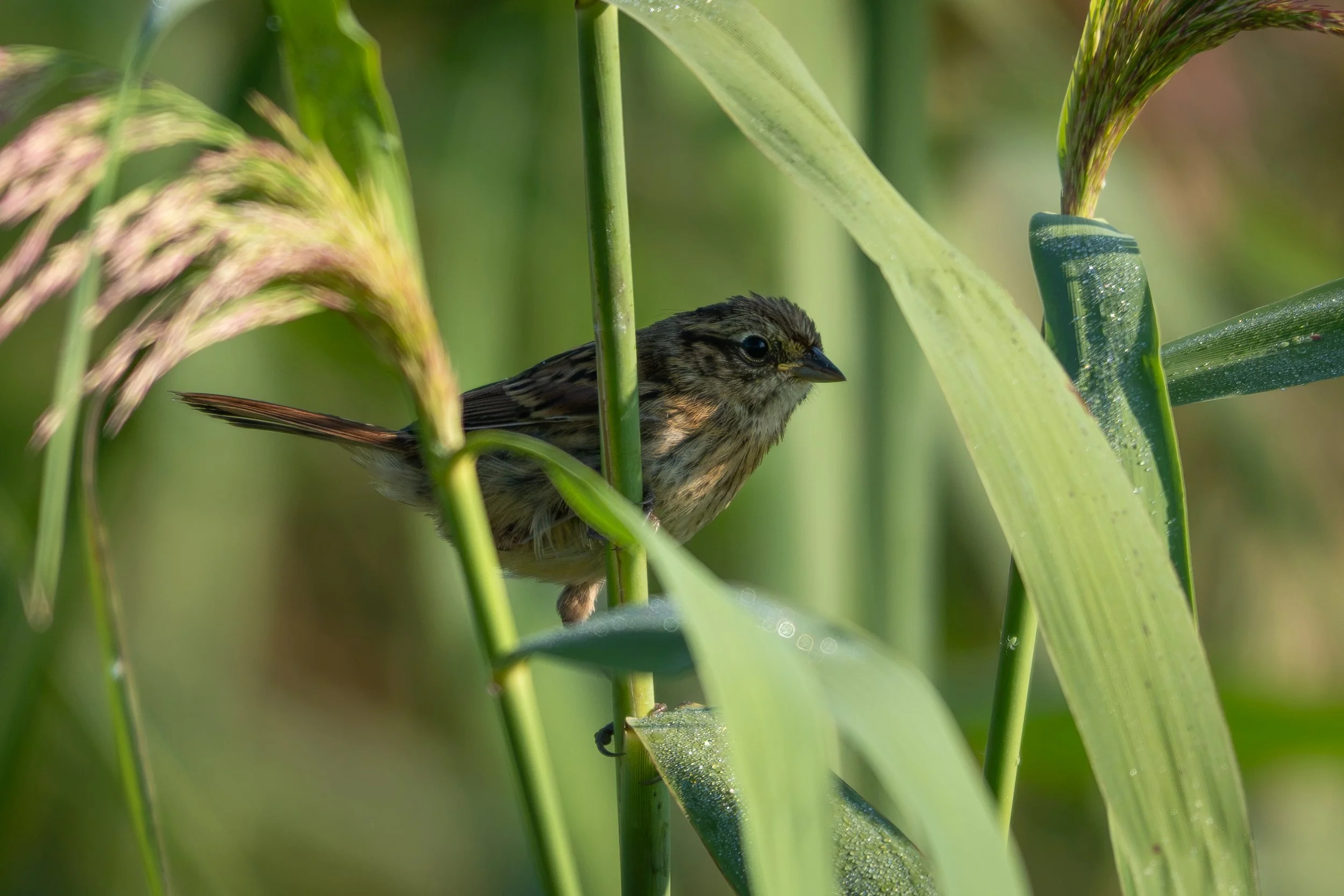
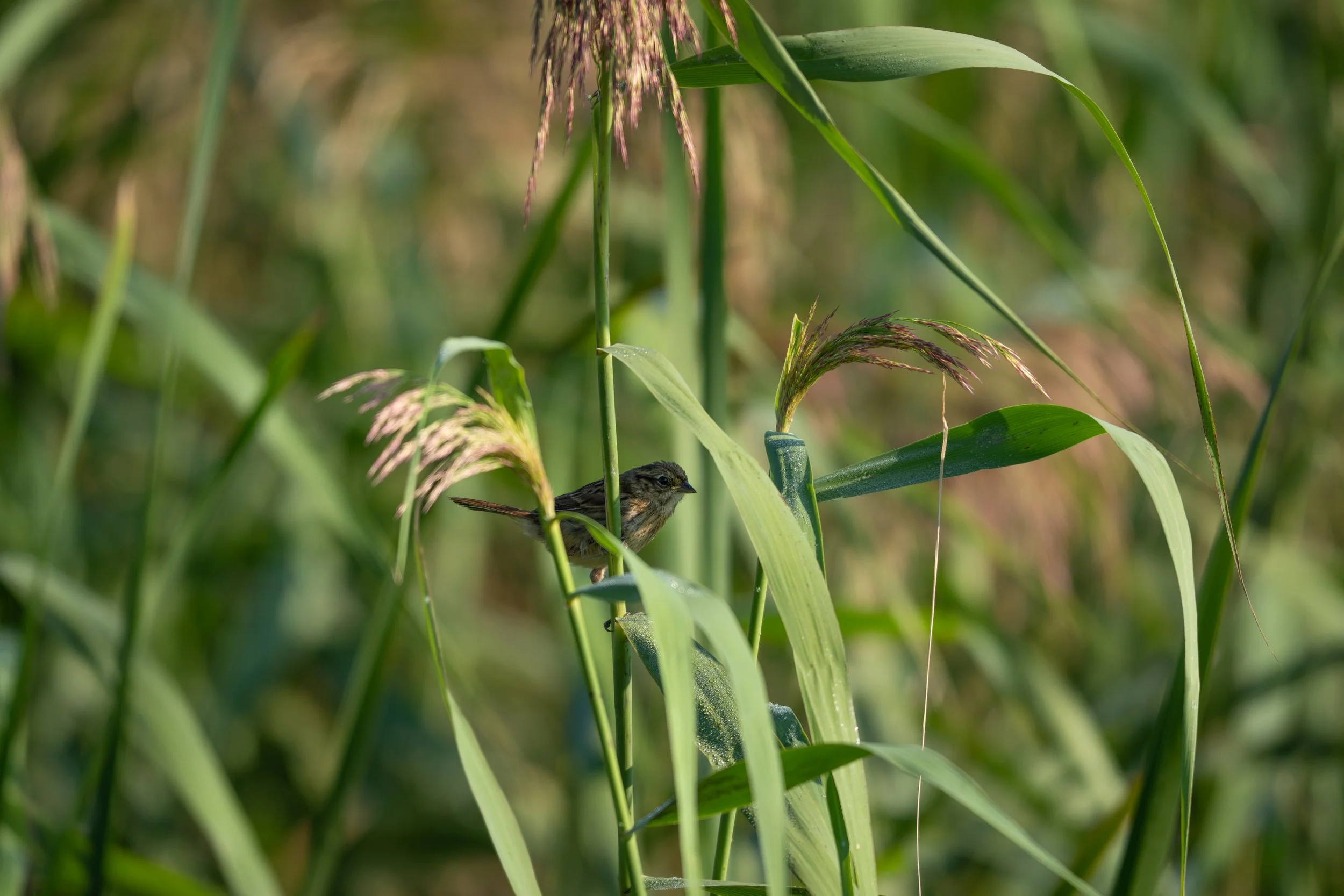
Thanks for indulging this little tech demo, I hope to be back with some good images in a few weeks.